
Find out what you actually eat.
For the next 14 days you weigh or photograph every bite and sip, including the oil in the pan and everything you drink. On day 14 you compare your average against what you thought you were eating.
Lichtman et al., New England Journal of Medicine, 1992

Or let Leanos count it for you, free for 14 days.
Why 14 days.
Those people weren't lying. Most of us underestimate what we eat by 20 to 30 percent, and a gap that size turns a 500-calorie deficit into a surplus while every day feels correct.
Two weeks covers the whole pattern, weekdays and weekends both. It also trains your eye, so by the end you can tell a 600-calorie meal from an 800-calorie one without weighing anything.
One ordinary day, 1,026 calories nobody counted.
None of these feel like a meal. Added to a day that looked clean, they close the deficit and open a surplus.
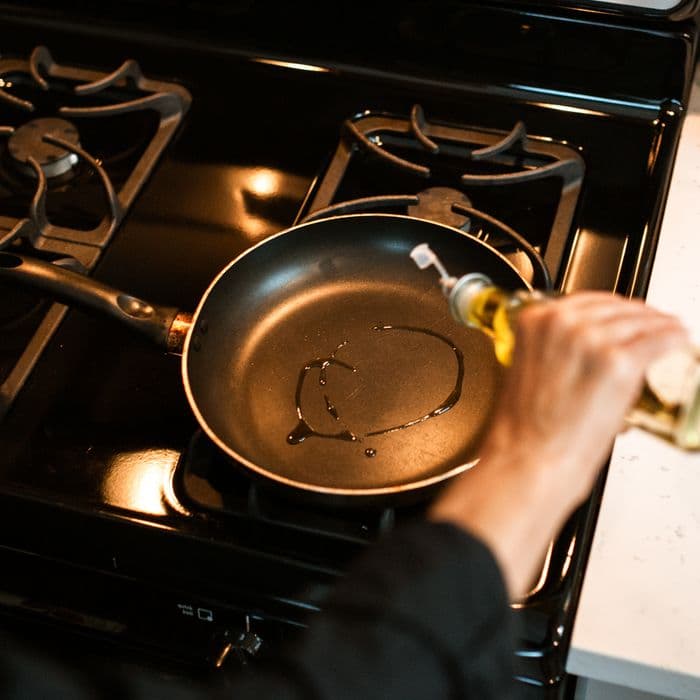 119
119Olive oil in the pan
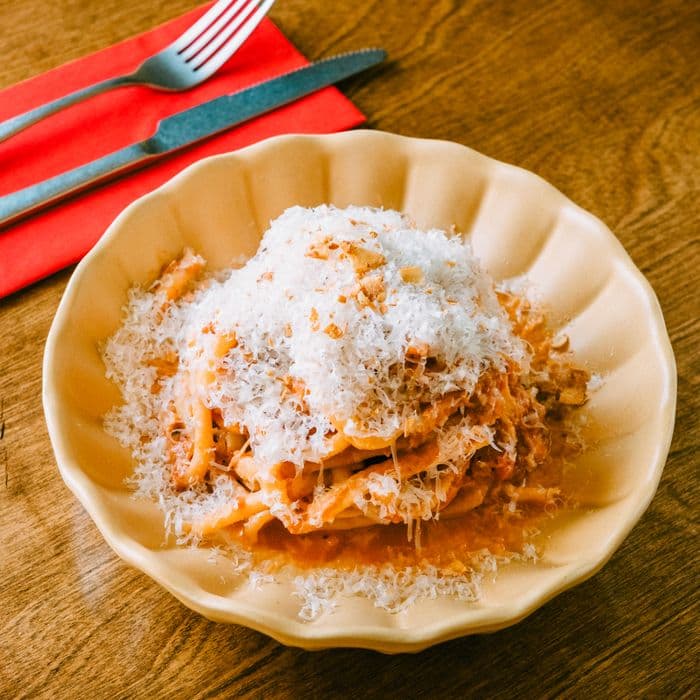 84
84Parmesan on the pasta
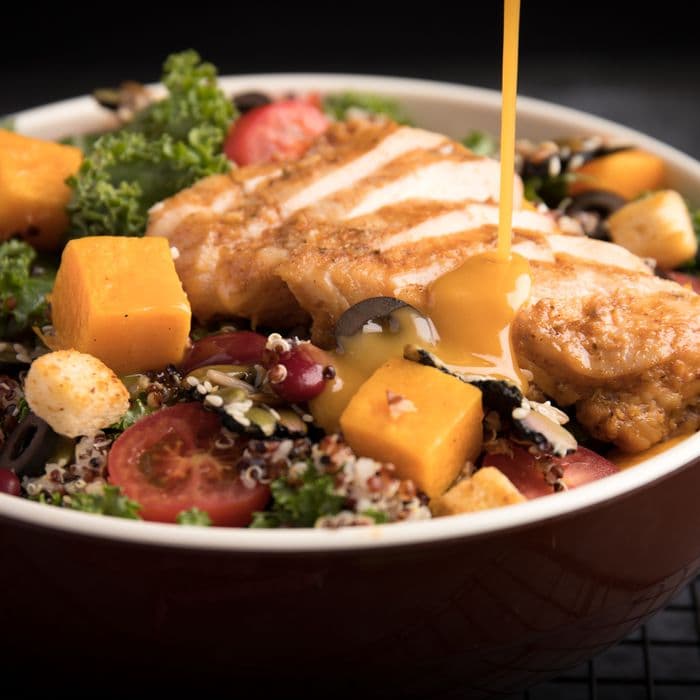 129
129Ranch on the salad
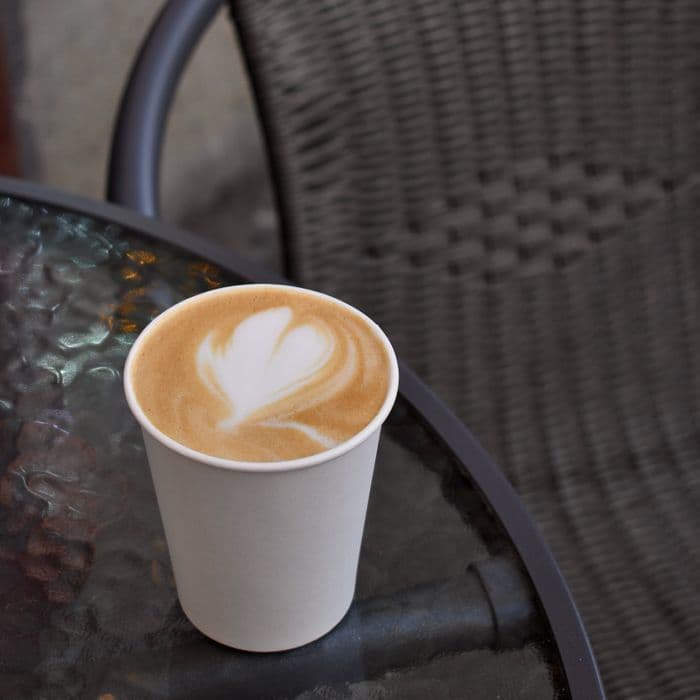 190
190The afternoon latte
 164
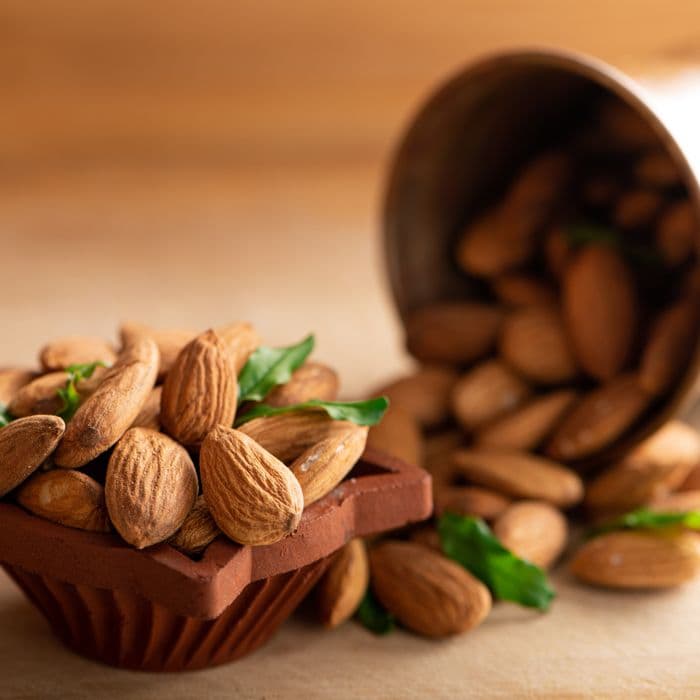
164A handful of almonds
 191
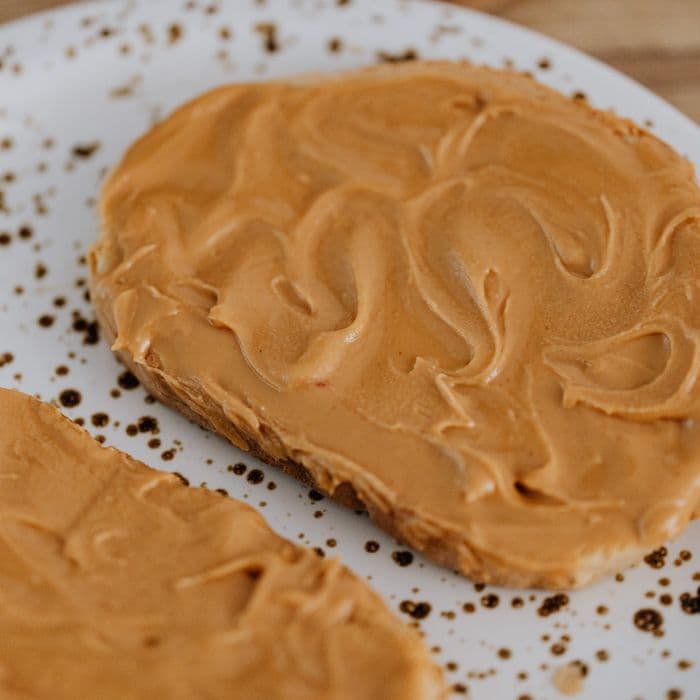
191Peanut butter on toast
 149
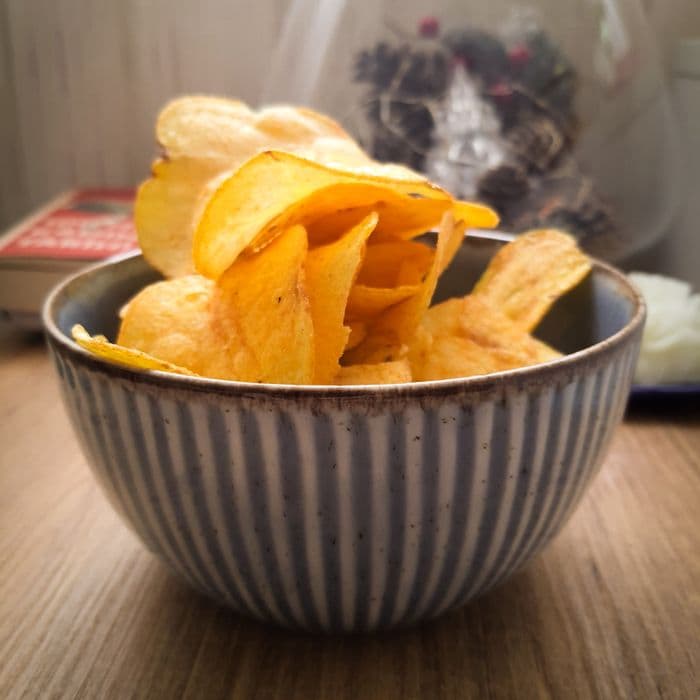
149A handful of chips
- 1,026Calories you never wrote down
-500
+526
Three weeks of that and the scale hasn't moved, which is exactly what it looks like from the inside.
Five rules.
- 01
Weigh it or photograph it.
Guessing portions is what produces the 20 to 30 percent gap. A scale on the counter closes it, and so does a photo in Leanos. Eyeballing doesn't.
- 02
Log it the moment you eat it.
The taste while you cook and the handful from the bag both count, and neither one survives until bedtime. Logging at night runs on memory, and memory is where the missing calories live.
- 03
Log the oil, the sauces, and the dressing.
A tablespoon of olive oil is 119 calories and it never feels like food. Two tablespoons of ranch are 129 more, and both go in by eye unless you stop them.
- 04
Log every drink.
A grande latte is 190 calories. Juice, soda, and alcohol all land on the total, and none of them leave you full.
- 05
Log Saturday like Tuesday.
Two loose weekend days erase five days of a 500-calorie deficit. Weekends are where most of the gap hides.
The calories people leave out.
These are the foods and drinks that land on the total without feeling like a meal. Numbers come from USDA FoodData Central at the serving listed.
Oils and spreads
- Olive oil1 tbsp (13.5 g)
- 119
- Butter1 tbsp (14.2 g)
- 102
- Mayonnaise1 tbsp (13.8 g)
- 94
Sauces and dressings
- Caesar dressing2 tbsp (30 g)
- 163
- Ranch dressing2 tbsp (30 g)
- 129
- Barbecue sauce2 tbsp (34 g)
- 58
Cheese
- Cheddar1 slice, 1 oz (28 g)
- 113
- Cream cheese2 tbsp (29 g)
- 102
- Parmesan, grated20 g
- 84
Nuts and nut butter
- Peanut butter2 tbsp (32 g)
- 191
- Almonds1 oz, 23 kernels (28 g)
- 164
- Cashews, roasted1 oz (28 g)
- 163
Snacks
- Milk chocolate1 bar (44 g)
- 235
- Potato chips1 oz, 22 chips (28 g)
- 149
- Tortilla chips1 oz (28 g)
- 134
Coffee and juice
- Grande latte, 2% milk16 fl oz
- 190
- Cola12 fl oz can (370 g)
- 155
- Orange juice8 fl oz (248 g)
- 112
Alcohol
- Beer12 fl oz can (356 g)
- 153
- Red wine5 fl oz glass (147 g)
- 125
- Vodka, gin, whiskey1.5 fl oz shot (42 g)
- 97
Easy to over-serve
- Granolahalf a cup (61 g)
- 298
- White rice, cooked1 cup (158 g)
- 205
- Avocadohalf (100 g)
- 160
Alcohol carries 7 calories a gram, your body burns it before it burns fat, and it leaves you hungrier rather than full. The simplest fix is to stop drinking.
Latte figure from Starbucks nutrition information. Everything else from USDA FoodData Central.
Or point your camera at it.
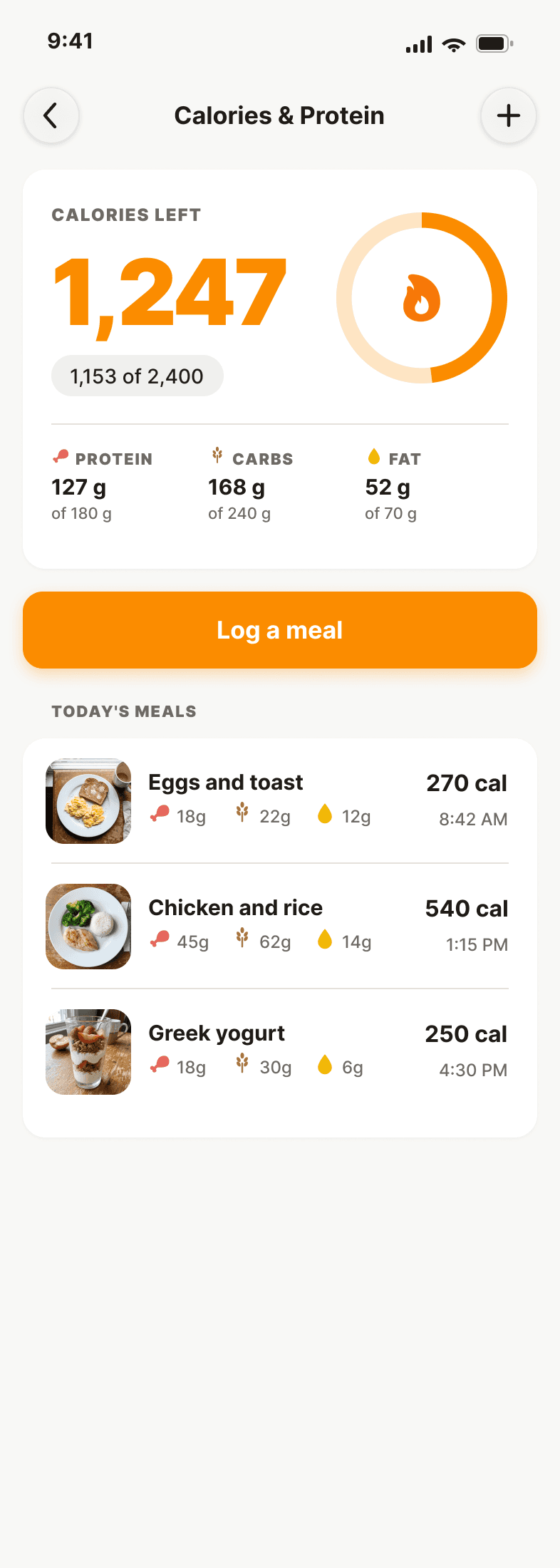
Photograph the meal and Leanos returns the calories and the protein, which takes about five seconds and survives a busy day in a way a notebook doesn't.
A photo becomes the number.
No database searching, no serving-size math, no typing.
Your steps, lifts, and weight sit beside it.
One place, so the calorie number means something next to the rest of the day.
A coach reads all of it.
You get a straight answer about what's actually holding the deficit back.
Free for 14 days, the same 14 days as the log.
Read your numbers.
- Take the average.
- Add up all 14 days and divide by 14. One day tells you nothing. The average tells you what you eat.
- If your average sits above your target.
- Your log already names the calories. Start with the three biggest items on the list and keep logging.
- If your average sits at your target and the scale hasn't moved in three weeks.
- Portion drift is the usual answer, so put the scale back on the meals you repeat. Read your body weight as a weekly average instead of a daily number.
- Take a photo every two weeks.
- The scale moves with water, salt, and how you slept. When the photo and the scale disagree, the photo is the better record of what your body is doing.
Three things people ask.
Do I have to weigh my food?
Weigh it or photograph it in Leanos. Those are the two ways to know. Guessing is what produced the gap in the first place, so it's the one option that doesn't work.
Do I count forever?
No. You count until your eye is calibrated, which takes most people a few weeks. After that you know what your target looks like on a plate, and you count again the next time you drop body fat, because calibration decays.
What does Leanos cost?
The first 14 days are free, the same 14 days as the log. After that it's $149.99 USD a year or $19.99 USD a month, and you cancel in the App Store whenever you want.
Run the 14 days in Leanos.
Log every meal and drink in Leanos for two weeks, and on day 14 you'll know what you actually eat. The first 14 days are free.

$149.99 USD a year after the first two weeks, or $19.99 USD a month.